
Proper nutrition is a key part of wound healing. Good intake of calories, protein, vitamins, minerals, and fluids supports immune function, tissue repair, and reduced infection risk. This page summarizes essential nutrients, food sources, practical tips, and when to seek professional help.
Why nutrition matters
Wound repair is metabolically demanding: cells must divide, synthesize collagen and extracellular matrix, and support immune cells. Inadequate calories or specific nutrients delays healing, increases infection risk, and can lead to breakdown of body protein stores.
Key nutrients that aid wound healing
Protein: Builds new tissue, collagen, enzymes, and immune cells. Aim for 1.2–1.5 g/kg/day for most people with acute or chronic wounds (higher in severe trauma). Good sources: lean meats, poultry, fish, eggs, dairy, legumes, tofu, tempeh, nuts, seeds.
Calories (energy): Prevents muscle breakdown. Ensure adequate total energy; if appetite is low, use nutrient-dense foods or oral nutrition supplements.
Vitamin C: Required for collagen synthesis and antioxidant protection. Daily needs increase during healing. Sources: citrus, strawberries, kiwi, bell peppers, broccoli.
Zinc: Supports DNA synthesis, cell proliferation, and immune response. Sources: meat, seafood (oysters), dairy, beans, nuts, whole grains. Avoid excess zinc unless directed (can impair copper).
Vitamin A: Supports epithelialization and immune function. Sources: liver (small amounts), sweet potato, carrots, spinach, kale, cantaloupe.
Iron: Needed for oxygen delivery and collagen formation. Sources: red meat, poultry, fish, legumes, fortified cereals; pair plant sources with vitamin C to increase absorption.
Omega-3 fatty acids: May modulate inflammation beneficially at appropriate levels. Sources: fatty fish (salmon, mackerel), walnuts, flaxseed.
B vitamins: Support energy metabolism and tissue repair. Sources: whole grains, lean meats, dairy, legumes, leafy greens.
Fluids: Hydration maintains skin turgor and supports circulation. Drink water regularly; monitor intake if on fluid-restricted regimens.
Breakfast: Greek yogurt with berries and ground flax; or scrambled eggs + spinach + whole-grain toast.
Lunch: Grilled chicken salad with mixed greens, bell peppers, avocado, and a citrus dressing.
Snacks: Cottage cheese, nut butter on fruit, hummus with vegetable sticks.
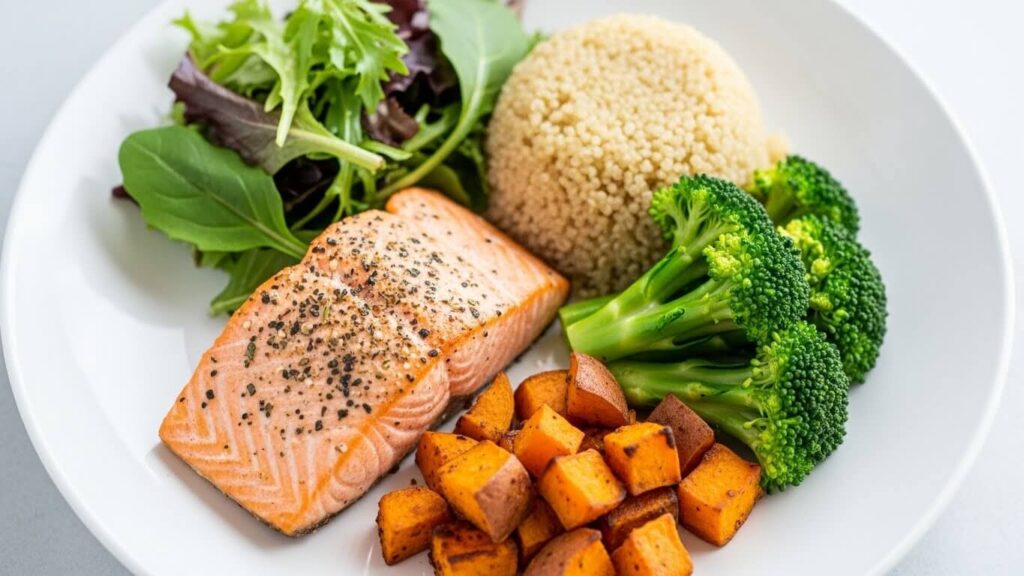
Dinner: Baked salmon, quinoa, steamed broccoli and sweet potato.
Swaps: Use full-fat dairy or nut butters for calories if weight gain is needed; choose lean protein and whole grains for balanced intake.

Use when appetite is poor, intake is insufficient, or calorie/protein needs are high. Choose high-protein formulas or wound-specific formulas if recommended by a clinician. Follow label directions and coordinate with the care team.
Diabetes: Manage blood glucose tightly — hyperglycemia delays healing. Coordinate carbohydrate choices and medications.
Kidney or liver disease: Protein and fluid prescriptions may need adjustment; consult a dietitian or clinician.
Allergies or intolerances: Use alternative protein and nutrient sources (e.g., fortified plant milks, legumes).
Older adults: Appetite and absorption change with age; focus on nutrient-dense choices and consider supplements.
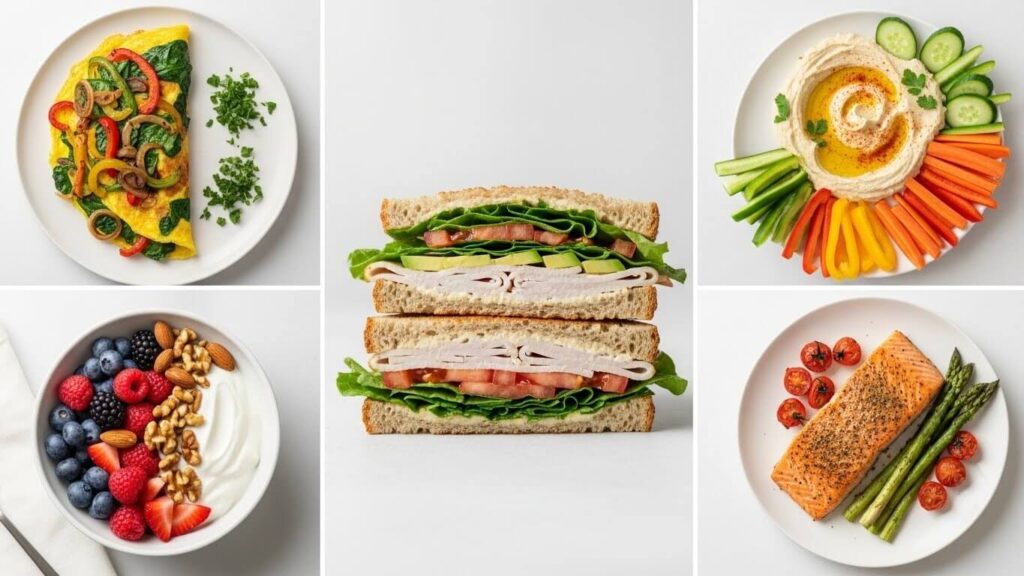
Breakfast: Omelet (2 eggs) with spinach and bell pepper + 1 slice whole-grain toast + orange slices.
Snack: Greek yogurt with chopped walnuts and strawberries.
Lunch: Turkey and avocado sandwich on whole-grain bread + side salad with lemon dressing.
Snack: Hummus with carrot and cucumber sticks.
Dinner: Baked salmon, quinoa, roasted sweet potato, steamed broccoli.
Fluids: Water throughout day; include milk or fortified plant milk for extra protein/calcium if needed.